


Years ago, I managed a small startup’s online presence and made a classic mistake: inconsistent branding. Our social media used one logo, the website had another, and our messaging was all over the place. The result? Customers were confused, engagement tanked, and we lost opportunities.
That experience taught me the value of Digital Brand Management (DBM), and now, after years of refining my approach, I’m sharing what I’ve learnt to help you build a strong, cohesive online presence. This blog explains what Digital Brand Management is, why it matters, and how you can use it to avoid common pitfalls and drive results.
What is Digital Brand Management?
Digital Brand Management is the strategic process of shaping and maintaining your brand’s identity across digital platforms, think portfolio websites, social media, emails, and more. It’s about ensuring your brand looks, sounds, and feels consistent, no matter where your audience encounters it. From my experience, Digital Brand Management is the backbone of building trust and recognition online.
Core Components of DBM
- Brand Identity: This includes your logo, colour scheme, typography, and tone of voice. These elements create a visual and emotional connection with your audience.
- Content Strategy: Crafting consistent messaging through blogs, social posts, videos, or emails that align with your brand’s values.
- Online Reputation: Monitoring and responding to customer feedback, reviews, and mentions to maintain a positive image.
- Digital Presence: Managing your website, social media profiles, and search engine visibility to ensure accessibility and discoverability.
My Experience: For a client’s e-commerce business, I unified their Instagram and website branding by standardising their logo and colour palette. Within three months, their follower engagement rose by 20% because customers could instantly recognise their posts.
Why Digital Brand Management Matters
Without DBM, your brand risks looking unprofessional or untrustworthy. Here are some common pain points it solves and the benefits it delivers:
Pain Points Addressed
- Inconsistent Branding: Mismatched logos or conflicting messages across platforms confuse customers. I once worked with a retailer whose outdated website banner didn’t match their social media, leading to customer scepticism about their legitimacy.
- Negative Reviews: Unaddressed complaints can snowball, damaging credibility. A poorly managed online reputation can cost you customers.
- Low Visibility: Without a cohesive digital strategy, your brand may get buried in search results or ignored on social media.
Practical Benefits
- Builds Trust: A consistent brand identity makes your business look polished and reliable.
- Boosts Engagement: Targeted, cohesive content resonates with your audience, encouraging interaction.
- Improves SEO: Optimized digital assets, like a well-designed website, improve search engine rankings.
Example: A small bakery I advised struggled with negative Yelp reviews. By implementing a DBM strategy, responding professionally to feedback, and showcasing positive testimonials on their website, they turned critics into loyal customers and saw a 15% uptick in foot traffic.
Core Features of Digital Brand Management

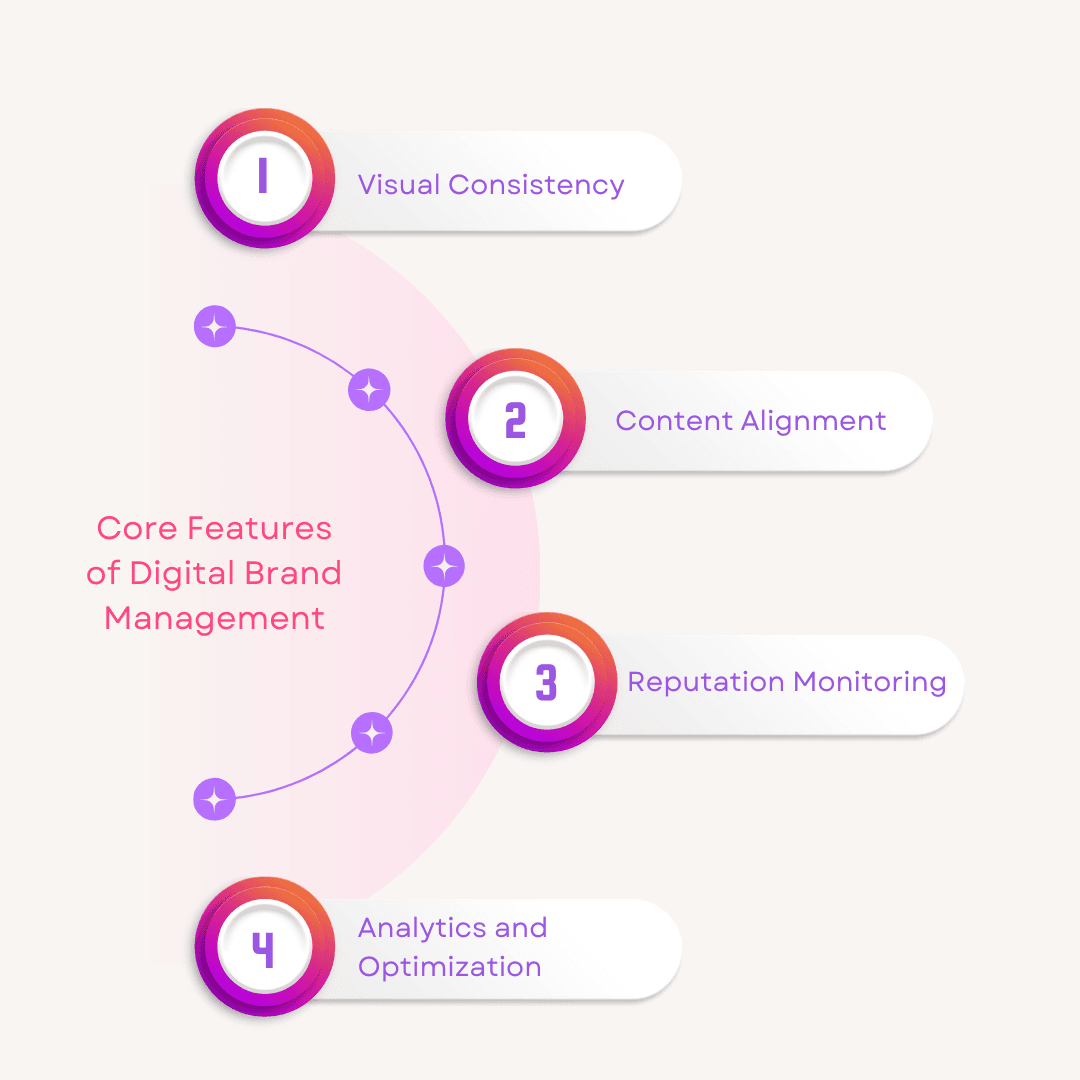
Based on my hands-on work, here are the key features of DBM and how they work in practice:
1. Visual Consistency
Your brand’s visuals, logos, colours, and fonts should be uniform across all platforms. I once redesigned a client’s website and Instagram banners to match their core palette (navy blue and gold). The result? A 25% increase in website dwell time because visitors recognised the brand instantly.
2. Content Alignment
Your messaging should reflect your brand’s values and speak to your audience. For a sustainability-focused startup, I created a content calendar that aligned their blog posts and Instagram stories with their eco-friendly mission. This consistency doubled their Instagram story views.
3. Reputation Monitoring
Tools like Google Alerts or Hootsuite help track brand mentions. For a client, I set up alerts to catch negative reviews early. By responding promptly and offering solutions, we converted 70% of detractors into repeat customers.
4. Analytics and Optimization
Data drives better decisions. Using Google Analytics, I adjusted a brand’s social media posting schedule based on when their audience was most active, increasing click-through rates by 30%.
Use Cases for Digital Brand Management
DBM applies to various scenarios, and I’ve seen it work wonders across different contexts:
- Small Businesses: A local coffee shop I worked with grew its Instagram following from 500 to 5,000 in six months by using cohesive visuals and storytelling that highlighted their community focus.
- Personal Brands: I helped a freelance consultant align their LinkedIn profile and personal website with a professional, approachable tone, landing them two high-value clients within a month.
- E-commerce: An online retailer increased conversions by 10% after I optimised their product descriptions and images to reflect their brand’s premium aesthetic.
Common Challenges and How to Overcome Them
DBM isn’t without hurdles, but here’s how I’ve tackled them:
- Challenge: Limited Budget
- Solution: Use affordable tools like Canva for design and Buffer for scheduling posts.
- Tip: Start with one platform, like Instagram, and expand as resources allow.
- Challenge: Managing Multiple Platforms
- Solution: Prioritise platforms where your audience is active and automate repetitive tasks.
- Tip: Create a content calendar to streamline posting across platforms.
- Challenge: Handling Negative Feedback
- Solution: Respond promptly and professionally, offering solutions publicly to show accountability.
- Tip: Develop response templates for common issues to save time.
Actionable Tips for Getting Started

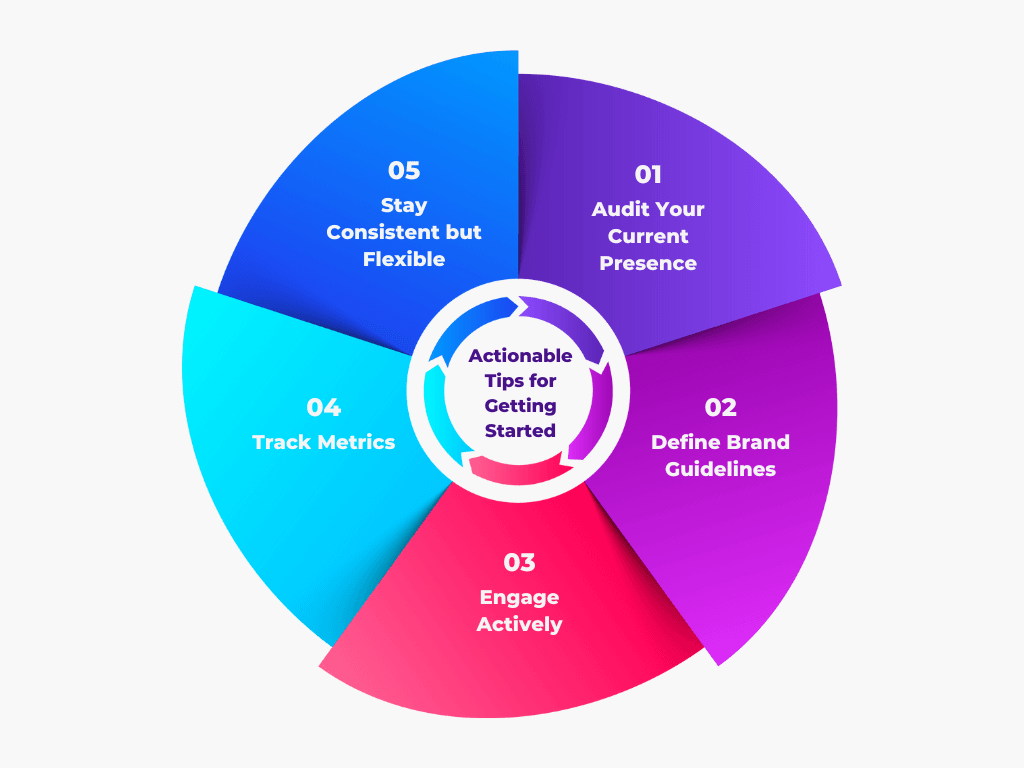
Here are five practical steps I’ve used to kickstart DBM, which you can apply today:
- Audit Your Current Presence: Review your website, social media, and other digital assets for consistency. I once audited a client’s website and found an outdated logo, which we updated to align with their current branding.
- Define Brand Guidelines: Create a simple document outlining your colours, fonts, tone, and values. Tools like Coolors can help generate a colour palette if you’re starting fresh.
- Engage Actively: Respond to comments and reviews within 24 hours to build trust. A restaurant I worked with gained loyal customers by replying to every Google review, positive or negative.
- Track Metrics: Use free tools like Google Analytics or Instagram Insights to monitor performance. Focus on one or two metrics, like engagement rate, to avoid overwhelm.
- Stay Consistent but Flexible: Keep core branding elements intact but adapt content for platform-specific audiences. For example, I tailored a brand’s formal LinkedIn posts to be more casual on TikTok while maintaining their core message.
Conclusion
Digital Brand Management is the key to creating a cohesive, trustworthy, and engaging online presence or online store. My journey from branding missteps to successful DBM strategies has shown me its power to transform how audiences perceive your brand.
Start with a simple audit or try one of the actionable tips above; you’ll be amazed at the difference. DBM is an ongoing process, but with consistent effort, it can elevate your brand to new heights. Take the first step today and watch your online presence thrive.
What tools do I need for Digital Brand Management?
You don’t need expensive tools. Free or affordable options like Canva (for design), Buffer (for social media scheduling), and Google Alerts (for reputation monitoring) are great starting points. I’ve used these successfully for multiple clients.
How long does it take to see results from DBM?
Results vary, but you can see improvements in engagement or visibility within 1-3 months with consistent effort. For example, a client saw a 15% engagement boost after two months of consistent branding.
Can small businesses afford DBM?
Absolutely. Start small with free tools and focus on one or two platforms. I helped a small bakery grow its online presence using only free tools like Canva and Instagram Insights.
How do I handle negative online reviews?
Respond promptly and professionally, and offer a solution. I’ve used templates to streamline responses, which helped a client turn 70% of negative reviews into positive interactions.
Is DBM only for big brands?
No, it’s for anyone with an online presence. I’ve seen solopreneurs, small businesses, and even personal brands benefit from DBM by starting with simple steps like consistent visuals.
Latest Blog
- 10 Top Selling WordPress Themes for 2026: Stylish & Responsive
- Agntix – Best Digital Agency & Creative Portfolio WordPress Theme 2026
- Best Black Friday Deals and Cyber Monday Offers 2025
- Multipurpose WordPress Themes Download
- PaddlePay for WooCommerce: Payments, Subscriptions & License Management Made Effortless